OEM · ODM · private label

Choose the development route that fits your team.

A clear route from finished tech pack, adaptable base style or brand-ready private-label program to controlled production.

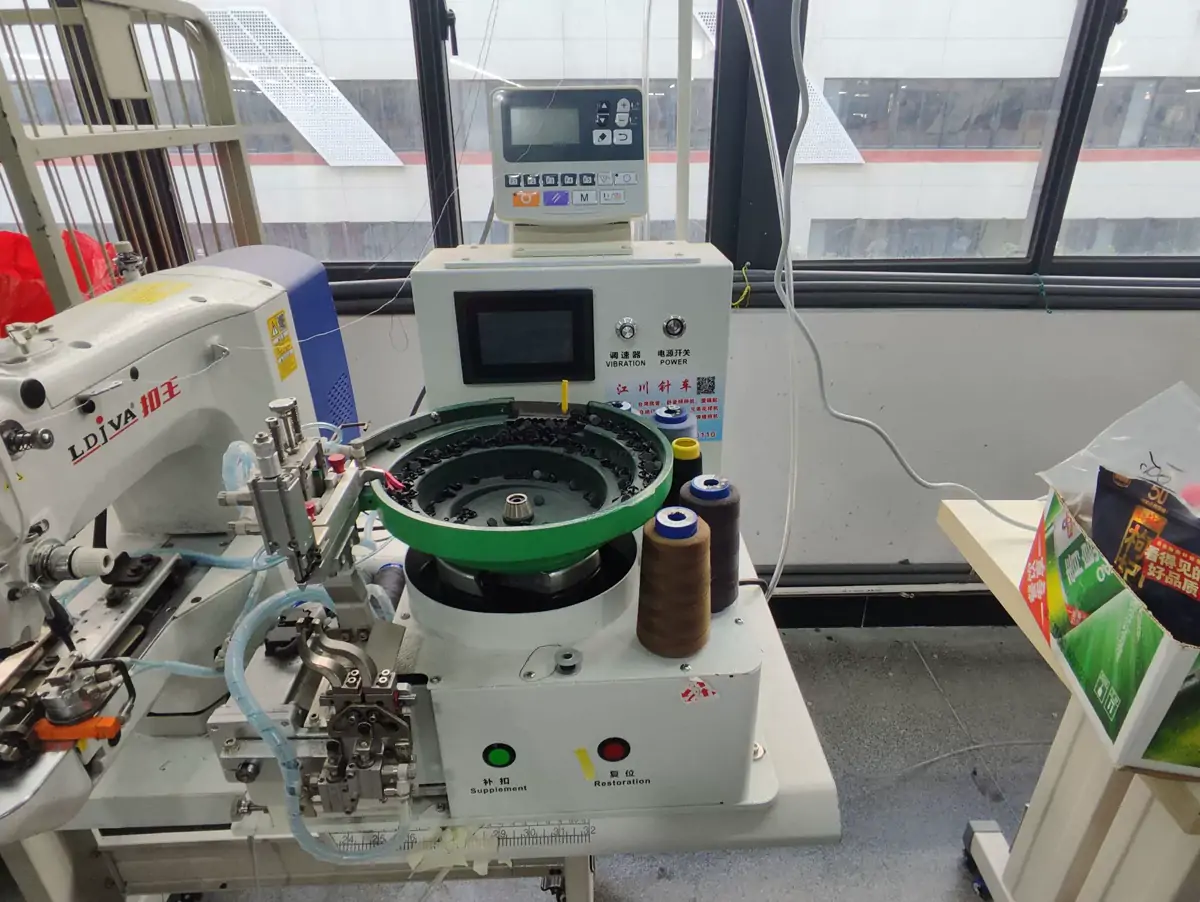
Button-feeding equipment, thread cones and sewing machinery in the factory
Our factory · original photographComponent workstation · button-feeding equipment and sewing setup

Before the first order

Know what you are approving.

Compare development routes, then confirm the terms specific to your product. Published guides are not a quotation.

OEMYour specification
ODMAdapt a developed base
Private labelBrand an approved route
First stepTechnical feasibility review

Capabilities

What this service can include.

  • Tech-pack and reference-sample review
  • Base-style adaptation
  • Pattern development and grading
  • Fabric, trim and decoration sourcing
  • Main label, care label and packaging setup
  • Pre-production approval control

Factory outputs

  1. 01Development route recommendation
  2. 02Open-question register
  3. 03Costed bill of materials
  4. 04Sample and revision plan
  5. 05Approval checklist
  6. 06Repeat-order production record
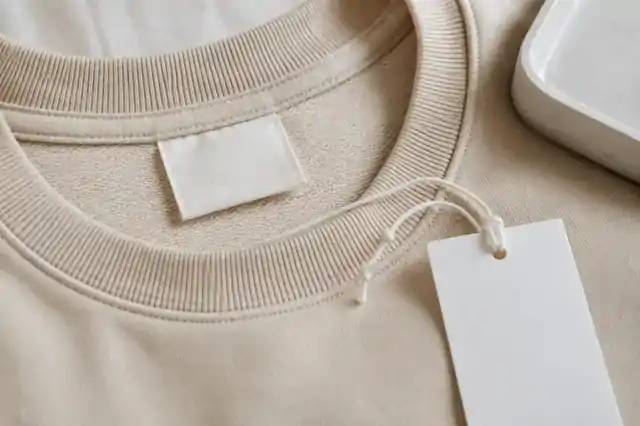
Blank woven neck label, hangtag and trims for a private-label garment — AI-assisted illustration

Designed around your brief

Your starting point shapes the route.

You may arrive with a finished technical pack, an existing sample to adapt or a brand concept that still needs product decisions. The useful first step is to identify what is already fixed, what needs development and who will approve each change. OEM, ODM and private label describe different parts of that working relationship.

01

A specification-led project

Use OEM when your team has defined the product and needs manufacturing review. Supply the drawings, material references, measurement chart and artwork together. Mark non-negotiable details clearly, and ask for proposed alternatives to be recorded rather than substituted silently.

02

An adaptation-led project

Use an ODM discussion when the starting silhouette or construction needs adaptation. Identify which features of the reference matter: proportion, feel, function or decoration. Agree the development scope and revision responsibilities before assuming the reference is production-ready.

03

A brand-ready presentation

Private label adds your identity to an agreed product route. Consider the neck label, size label, hangtag and packaging as one system, while keeping product and destination information accurate. Branding artwork does not replace fit, material or construction approval.

Specification workshop

Choose the route by what you already have

DecisionDirection to discussWhat to confirm
Finished technical packSpecification review and manufacturing proposalCheck open material or construction questions before accepting a sample plan.
Reference sampleMeasured adaptation and agreed development scopeIdentify what must match and what may change; record pattern and file responsibilities.
Concept and artworkStructured brief before detailed quotationDefine garment family, wearer, quantity, material direction and the missing decisions.
Existing approved styleBranding and repeat-order reviewReconfirm material availability, colour references, logo files and the current order conditions.

Illustrative project brief

From a reference sweatshirt to your own label

For an illustrative first collection, the buyer brings a reference sweatshirt and a logo file, but no graded pattern. Separate the project into an agreed fit direction, a material proposal and a branding package. Record who develops the measurements, who owns the resulting files and how changes are approved. Only the accepted revision should become the bulk reference; a reference image is not an authorization to copy protected branding.

Service FAQ

Product-specific answers.

What is the difference between OEM and ODM?

In OEM, the buyer normally supplies the product specification. In ODM, the manufacturer contributes a developed base or more of the product design. Private label describes the branding layer and can sit on either route.

Do I need a finished tech pack?

A finished tech pack reduces ambiguity, but a strong reference sample and structured brief can start an ODM discussion. Missing decisions still need to be closed before bulk.

Who owns the pattern?

Pattern ownership is a commercial term, not something to assume. State it in writing before development and clarify whether digital pattern files can be released.

Which trim details must be approved?

Record the component type, material, color, size, position and attachment method. Use the actual proposed trim in sample approval; a picture of workshop equipment does not establish the available trim range.

What happens if my brief is incomplete?

Separate confirmed decisions from open questions, then agree who supplies each missing specification. Confirm any development fees, ownership and revision scope before the sample work begins.

Can I start without knowing whether I need OEM or ODM?

Yes. Send what you have and identify the decisions you need help resolving. The quotation should describe the actual development work and responsibilities, not rely on the label alone.

Does private label include a new custom pattern?

Not automatically. Private label describes branding. Pattern development, grading and fit changes should be specified separately, including their scope, fees and ownership.

What happens when I change the design after a sample?

Send one consolidated revision list linked to the sample and document version. Ask which changes affect materials, price, sample work or production timing, and approve the revised plan before proceeding.

Plan the development

From your brief to an approval record.

01

OEM: start from your specification

Provide the tech pack, measurement chart, artwork and material references. Mark which specifications are mandatory and which can be proposed by the factory; missing items remain open until agreed.

02

ODM: define the adaptation scope

Identify the reference silhouette and changes to fit, fabric, trim or decoration. Agree sample fees, revision scope and responsibility for technical decisions before development begins.

03

Private label: approve the branding package

Prepare label artwork, placement, care information and packing requirements. Confirm pattern and artwork ownership, file release and confidentiality in writing; do not assume these follow automatically from the order.

What closes each approval stage?

A written brief records the requirements. A reviewed sample resolves fit and construction. A pre-production record identifies the accepted material, artwork, measurements and packing instructions. Agree who can approve changes and keep version numbers on each file.

Separate production from delivery

Standard-style production takes 15 working days; custom production takes 20–25 working days. Confirm the schedule start date and approval milestones for your order. These are production periods, not shipping transit times.

Sea freight, air freight and express courier are supported. Transit time, freight charges, packing and any duties or taxes are confirmed for your destination.

Products to develop with this service

Bring the brief. We’ll map the production route.

View services