Performance apparel manufacturing

Movement-led product development, controlled for bulk.

Custom training tees, long sleeves, performance polos, shorts, pants, coordinated training sets and midlayers with fabric and construction matched to movement or smart teamwear use.

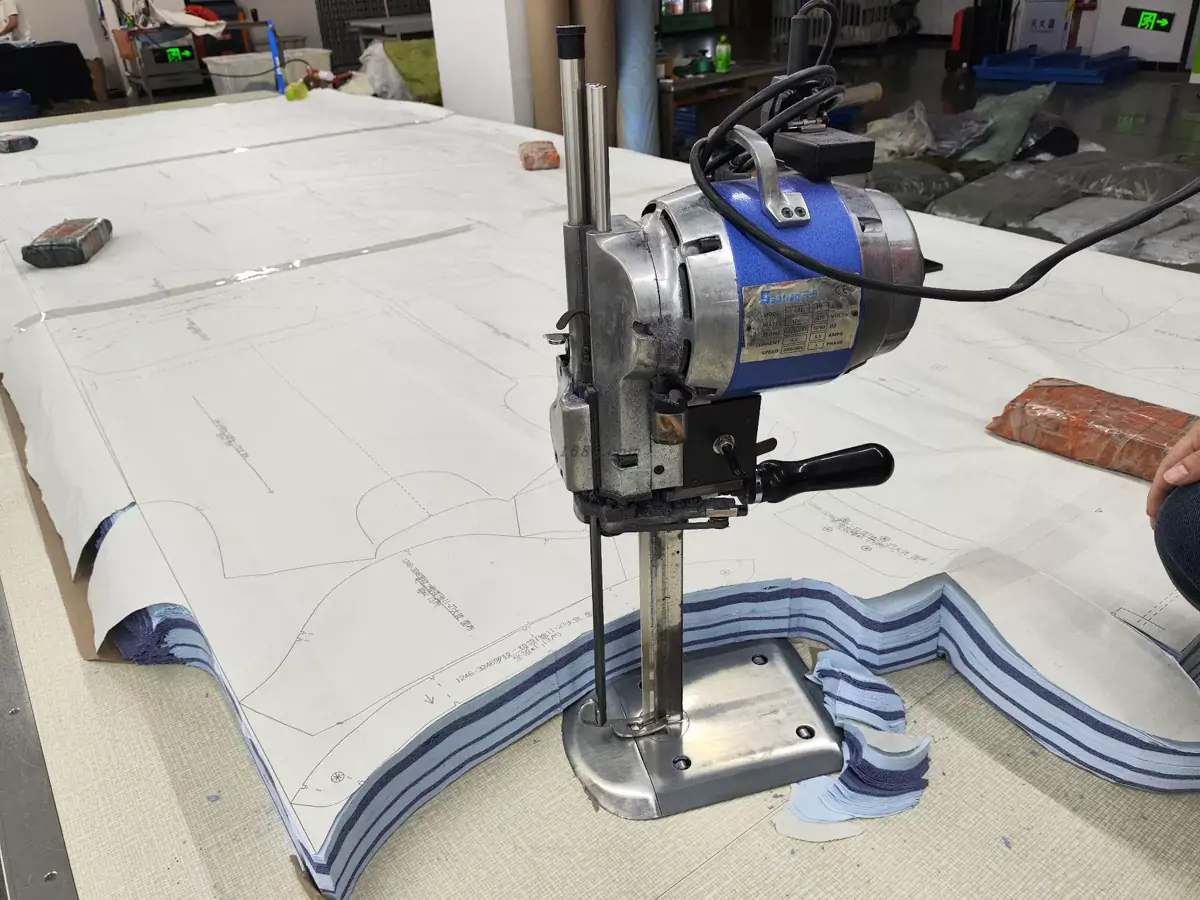
Straight-knife cutting machine beside stacked fabric and paper garment patterns
Our factory · original photographCutting station · paper patterns and stacked fabric

Before the first order

Know what you are approving.

Compare development routes, then confirm the terms specific to your product. Published guides are not a quotation.

MOQStandard 100+ · custom 300–500+
Core productsTees · polos · pants · sets
Fabric briefWicking · stretch · breathable
Decoration reviewPrint · transfer · embroidery

Capabilities

What this service can include.

  • Moisture-management fabric options
  • Mechanical and elastane stretch routes
  • Flatlock, coverstitch and bonded details
  • Liner, pocket and ventilation systems
  • Reflective and heat-transfer decoration
  • Wear-case and wash-risk review

Factory outputs

  1. 01End-use definition
  2. 02Fabric weight and stretch recommendation
  3. 03Construction risk review
  4. 04Fit and movement sample
  5. 05Decoration test sample
  6. 06Bulk QC against approved standard
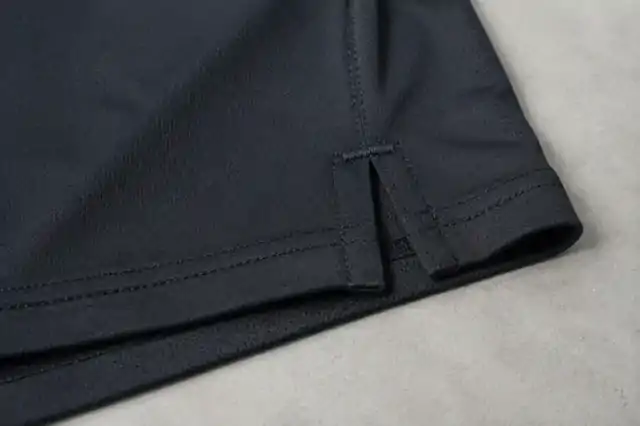
Technical apparel fabric and vented hem stitching viewed close up — AI-assisted illustration

Designed around your brief

Give every movement a design decision.

Describe the activity before choosing the garment. Our confirmed performance range covers short sleeves, long sleeves, shorts, pants and training sets in lightweight solid-colour ready-stock styles. The fabric direction uses 80–90% polyester or polyamide (nylon) as the principal fibre, with elastane according to style, at 180 g/m² inclusive to below 250 g/m². Sizes run from S to 5XL with a 1–2 cm garment measurement tolerance; exact colour and size stock is reconfirmed in the quotation.

01

Training tops and polos

Choose short or long sleeves, then define shoulder reach, neckline or collar shape and the intended body ease. For a polo, include placket length and cuff or sleeve opening. Review logo placement with the garment worn as well as laid flat.

02

Shorts and technical pants

Begin with stride, squat and seated movement. State what the pockets must hold, whether a liner is required, and how the waistband should sit. A tapered leg needs coordinated thigh, knee and hem measurements rather than a single request for a slim fit.

03

Matched training kits

A top and bottom can share a colour direction without sharing one fabric construction. Review the two materials together and define logo proportions on each garment. Confirm size pairing and keep the approved kit connected to separate product specifications.

Specification workshop

Translate the activity into sample checks

DecisionDirection to discussWhat to confirm
Reach and coverageSleeve shape, body length and side openingsCheck overhead reach and forward extension; record where the garment pulls or exposes more than intended.
Pockets and storageEntry angle, depth and proposed closureTry the intended pocket contents during the relevant movement and inspect pressure or bouncing.
Fabric behaviourBreathable, high-stretch and moisture-wicking sports directionReview the selected fabric and agree any numeric performance target or requested test method before using a quantified claim.
Seams and DIY decorationCustom logo or print on front chest, back, or bothUse the page selector to prepare the enquiry, then approve artwork scale, seam clearance and movement on the selected production fabric.

Illustrative project brief

A training tee and shorts programme

A gym-kit brief can start with the confirmed lightweight 180 to under 250 g/m² polyester-blend direction, the S–5XL size breakdown and a solid-colour stock request. Add the DIY logo or print placement for the front chest, back, or both. Review a complete sample kit in the intended activity, then record fit changes separately from fabric or decoration changes. Exact stock and any requested numeric performance target remain quotation and testing decisions.

Service FAQ

Product-specific answers.

Is polyester always required for activewear?

No. Polyester is common for moisture transport and drying speed, but nylon, elastane blends and selected natural-fiber blends can be appropriate. End use, handfeel, durability and price should drive the decision.

Can you make matching tops and shorts?

Yes. A coordinated program can share color standards, trims and branding while using different fabric constructions where performance demands it.

How do you test stretch and recovery?

The required method should be agreed in the specification. Development review can compare stretch direction, recovery, opacity and seam behavior before bulk approval.

Does a factory photo prove a fabric performance claim?

No. The cutting photograph documents a production workstation. Wicking, drying, stretch or other performance requirements need agreed evaluation methods and product-specific evidence.

How do I brief a coordinated training range?

List each style, the intended activity, fit, material, color, size breakdown and branding. Identify which references are shared and which construction or wear requirements differ between the top and shorts.

Can this service include short- and long-sleeve polos?

Yes. Both performance polo directions are available for development. Define the collar, placket, sleeve or cuff and intended wearing conditions, then review the sample before confirming the specification.

Which performance-apparel specifications are confirmed?

For performance short sleeves, long sleeves, shorts, pants and training sets, the confirmed direction is 80–90% polyester or polyamide (nylon) as the principal fibre with elastane according to style, 180 g/m² inclusive to below 250 g/m², S–5XL and a 1–2 cm garment measurement tolerance.

Can ready-stock performance styles include DIY branding?

Yes. Solid-colour ready-stock styles can be briefed with a custom logo or print on the front chest, back, or both. Exact stock, artwork size and the decoration method are reconfirmed for the selected product and fabric.

Plan the development

From your brief to an approval record.

01

Translate the activity into a brief

Specify whether the range is for running, gym training, travel or staff use. List essential movements, coverage, pockets and layering needs before choosing tees, polos, trousers or coordinated sets.

02

Separate fabric options from performance claims

Request a fabric proposal and agree which claims need testing. Wicking, drying, stretch recovery, opacity and UV protection are separate requirements; the appearance of a material does not prove them.

03

Approve the garment in movement

Review the proposed sample during the intended activity and after the agreed wash evaluation. Record seam comfort, sleeve reach, pocket behaviour and decoration durability separately so each correction is traceable.

What closes each approval stage?

A written brief records the requirements. A reviewed sample resolves fit and construction. A pre-production record identifies the accepted material, artwork, measurements and packing instructions. Agree who can approve changes and keep version numbers on each file.

Separate production from delivery

Standard-style production takes 15 working days; custom production takes 20–25 working days. Confirm the schedule start date and approval milestones for your order. These are production periods, not shipping transit times.

Sea freight, air freight and express courier are supported. Transit time, freight charges, packing and any duties or taxes are confirmed for your destination.

Products to develop with this service

Bring the brief. We’ll map the production route.

View services